What is it?
Acoustic insulation is a soft, fibrous material installed within walls, floors, or ceilings to reduce the transmission of sound between spaces. It is most commonly made from mineral wool (glass wool or stone wool), although other materials may also be used.
In internal walls, acoustic insulation is typically placed within the cavity between metal or timber studs. It is friction-fitted between the studs and held in place without the need for mechanical fixings. The material is usually supplied in rolls or semi-rigid slabs.
- 1Metal Studs
- 2Acoustic Insulation
What does it do?

Improved acoustic performance
Acoustic insulation absorbs sound energy within the wall cavity, reducing the amount of sound that passes from one side of the wall to the other. When combined with plasterboard linings, it significantly improves the overall sound insulation of a partition.

Thermal performance
Although primarily used for acoustic purposes, it can also provide a degree of thermal insulation.
Where is it used?
- Within metal stud and timber stud partition walls
- Between floors and ceilings to reduce sound transfer between levels
- In party walls between apartments or adjoining buildings
- Around service risers and the pipes within them.
Types
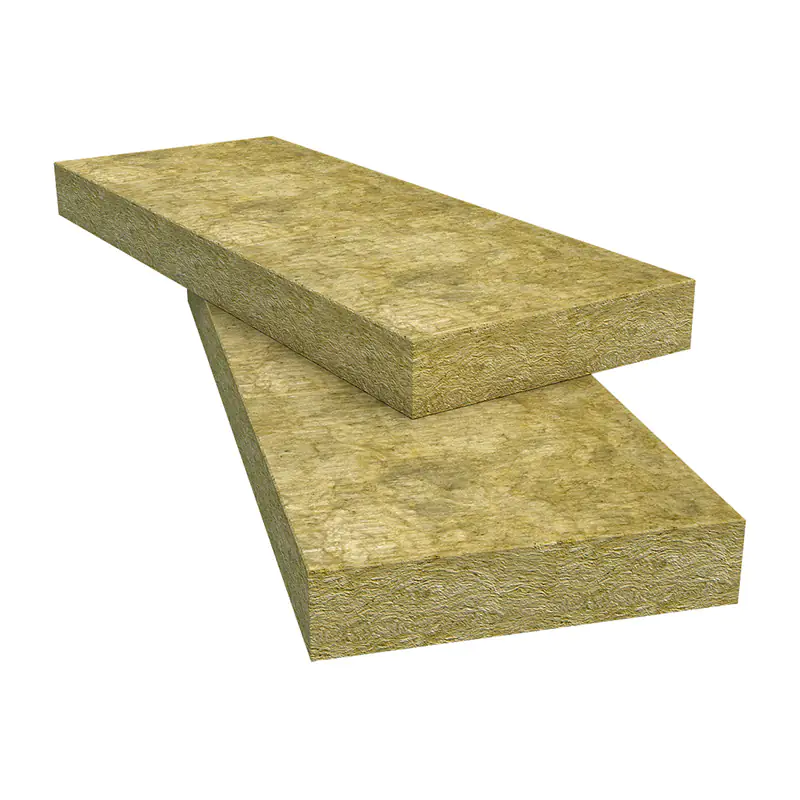
Rock Wool
The most common choice for acoustic insulation. Dense, fibrous batts that are friction-fitted between studs. Mineral wool is also typically non-combustible in fire.
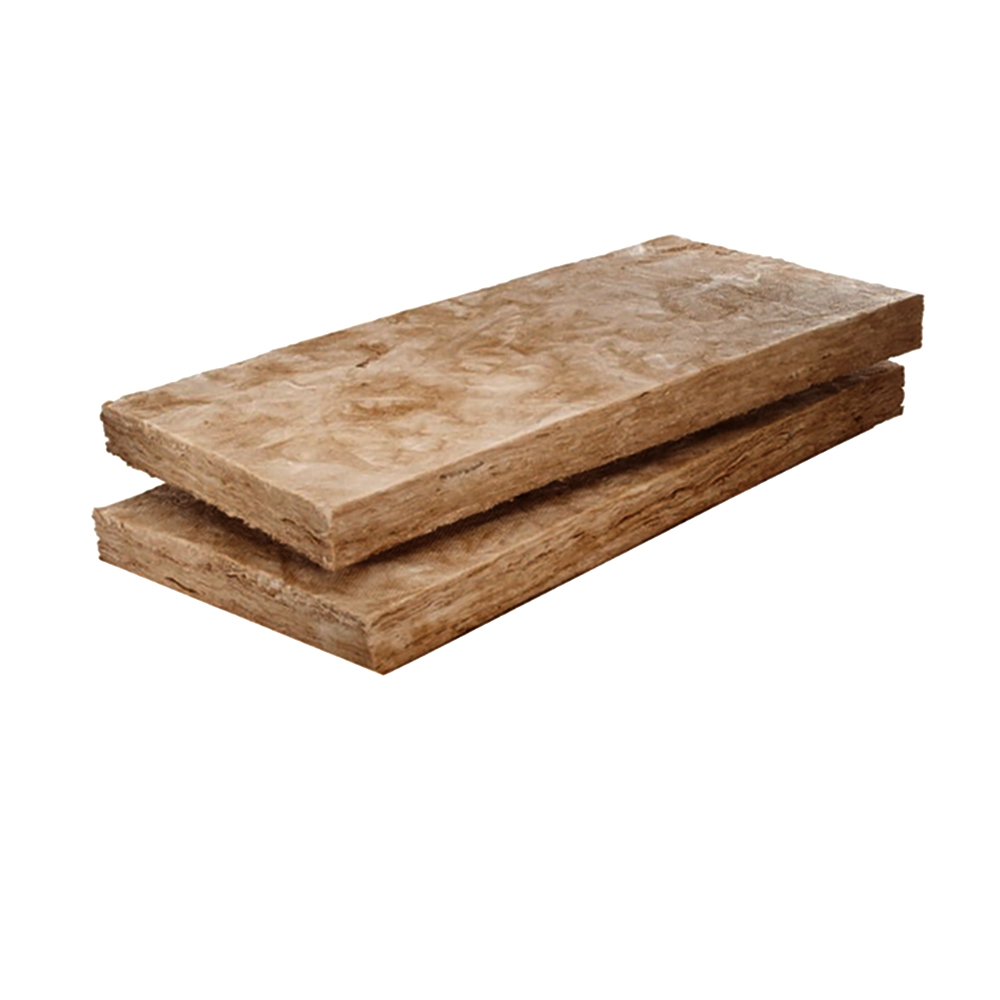
Glass Wool (Fibreglass)
Similar principle to mineral wool but lighter and slightly less dense. Slightly lower acoustic performance than rockwool but cheaper and easier to handle.
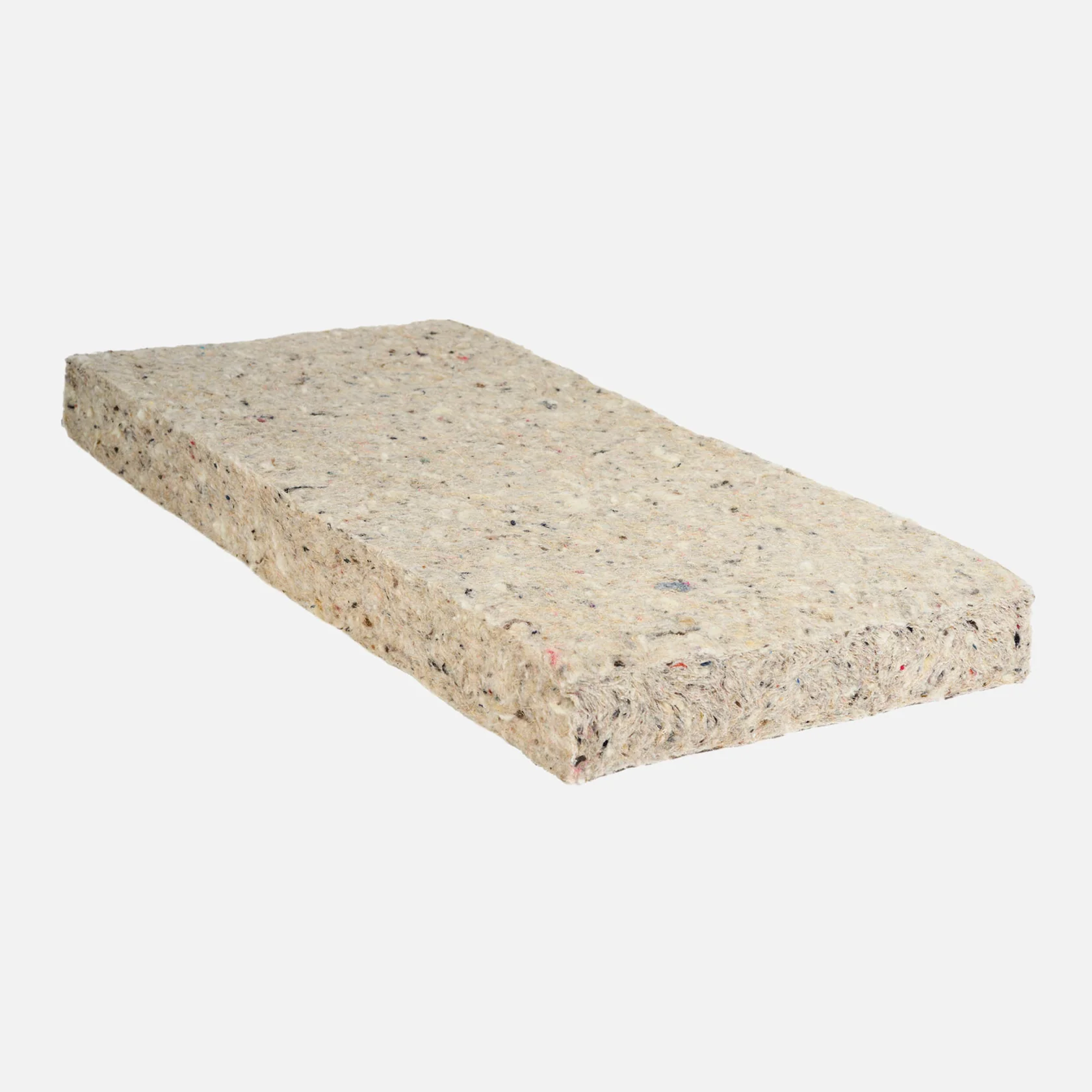
Natural Fibre Insulation
Not commonly used on commercial projects, natural fibre insulation is made from recycled sheeps wool and provides a sustainable alternative to mineral wools.
Typical sizes
Acoustic insulation can be supplied in different formats:
Rolls
Supplied in flexible rolls, typically used for quick installation in standard stud spacing.
Slabs (batts)
Semi-rigid boards that provide a tighter fit and more consistent performance within stud walls.
Acoustic insulation is sized to fit within standard stud spacing.
| Form | Typical Width | Typical Thickness |
|---|---|---|
| Rolls / slabs | 400 mm / 600 mm | 25 mm – 100 mm |
The thickness of insulation is usually selected to match or slightly underfill the stud depth.
How to specify
Define acoustic requirements
Acoustic insulation is typically specified as part of a complete wall or floor system rather than as a standalone product. The required level of sound insulation between spaces must first be established, often influenced by Building Regulations or project-specific acoustic targets.Select a tested system
A suitable wall or floor build-up is selected from a manufacturer’s tested systems, which will define:- insulation type and density
- thickness
- compatibility with linings and framing
This ensures that the intended acoustic performance is achieved in practice.
Other considerations
Acoustic insulation should be installed carefully to avoid gaps or compression, as poor installation can significantly reduce its effectiveness.
The material should fully fill the cavity without being overly compressed, as this can reduce acoustic performance.
Cutting and fitting around services should be done carefully to maintain continuity of the insulation layer.
Although generally non-combustible, different products may have different performance characteristics, so the correct type should be selected for the application.
Interacting elements
Acoustic insulation forms part of a wider wall or floor system and works together with several other elements.
- Metal studs or timber framing: Provide the cavity in which the insulation is installed
- Plasterboard: Works with the insulation to achieve overall acoustic performance
- Floor and ceiling structure: Define the boundaries of the insulated zone
- Services: Pipes and cables pass through or within the insulated cavity and must be coordinated carefully
- Fixings and supports: Ensure the wall system remains stable while accommodating the insulation
Popular manufacturers

Rockwool
The most widely specified acoustic insulation in the UK. Stone wool slabs such as the RWA45 are the industry standard for internal stud walls, offering acoustic, thermal and fire performance in one product.

Knauf Insulation
Global manufacturer producing glass and rock mineral wool insulation widely used in UK stud wall partitions. The RS60 slab is commonly specified for acoustic performance in internal walls alongside Knauf drylining systems.

Superglass
Scottish manufacturer of glass mineral wool insulation. The Acoustic Partition Roll (APR) is a lightweight, non-combustible option widely used in timber and metal stud partitions as a cost-effective acoustic solution.